
Exploring Traditional Thai Techniques: The Best Massage Bangkok Experience
Bangkok, the vibrant capital of Thailand, is not only known for its bustling streets, golden temples, and flavorful cuisine but also for being the world’s epicenter of traditional Thai massage. For centuries, this ancient healing art has been a vital part of Thai culture and wellness, attracting travelers seeking rejuvenation, balance, and a deeper connection with the body. Exploring the traditional Thai massage experience in Bangkok means immersing oneself in a centuries-old practice that blends spirituality, anatomy, and mindfulness in perfect harmony. Best massages in Bangkok, featured in The Best Massage Bangkok Experience, guide visitors to the city’s top wellness spas known for exceptional service and authentic treatments.
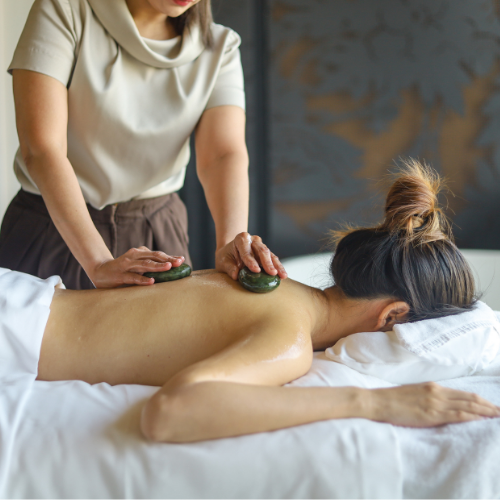
The Origins of Traditional Thai Massage
Traditional Thai massage, or Nuad Thai, has roots that stretch back more than 2,500 years. Its origins are closely linked with the teachings of Jivaka Kumar Bhaccha, the physician to the Buddha, who is often revered as the father of Thai medicine. The practice combines influences from Indian Ayurvedic medicine, Chinese acupressure, and Southeast Asian healing traditions. Over generations, these techniques evolved into a uniquely Thai system of therapeutic bodywork that focuses on energy flow, stretching, and pressure points.
Unlike Western massage styles that primarily target muscle relaxation, Thai massage takes a holistic approach. It works on the body’s energy pathways, known as Sen lines, to release blockages and restore balance. The belief is that when energy flows freely, physical and mental health improve, leading to an enhanced sense of wellbeing.
The Philosophy Behind Thai Healing
The essence of Thai massage lies not only in the technique but in the philosophy that underpins it. It is deeply connected to the Buddhist principles of compassion and mindfulness. Each movement, touch, and pressure applied by the practitioner is done with intention and awareness, creating a meditative exchange of energy between therapist and recipient.
In traditional Thai culture, the act of giving a massage is considered a spiritual practice. Practitioners often begin their work with a short prayer or moment of meditation, seeking to cultivate compassion and focus. This mindful preparation transforms the massage into more than just a physical treatment—it becomes a shared journey toward balance and harmony.
The Unique Elements of Thai Massage
One of the most distinctive features of Thai massage is its blend of assisted stretching and acupressure. Sometimes described as “lazy yoga,” it involves the therapist guiding the recipient through a series of yoga-like poses, combined with rhythmic pressing, rocking, and pulling motions. The massage is typically performed on a floor mat rather than a table, allowing for full-body movement and flexibility.
During a session, the therapist uses not only their hands but also their elbows, knees, and feet to apply pressure along energy lines. The goal is to improve flexibility, stimulate circulation, and encourage the release of physical tension. Unlike oil-based massages, Thai massage is often performed fully clothed in loose, comfortable attire to facilitate stretching and movement.
The sensation may range from deeply relaxing to intensely invigorating, depending on the recipient’s needs. Some may feel a mild discomfort during deep stretches or pressure, but this is often followed by a profound sense of relief and lightness.
The Connection Between Body and Mind
Traditional Thai massage is as much about mental relaxation as it is about physical healing. It encourages mindfulness through slow, deliberate movements and deep breathing. As the body releases tension, the mind often follows, entering a calm and meditative state.
Many people describe the experience as a form of active meditation. The repetitive rhythm and focus on breath foster a sense of inner stillness. In a city as lively and stimulating as Bangkok, this mental clarity becomes a refreshing escape from the noise and rush of urban life.
The Techniques That Define Thai Massage
Several signature techniques make Thai massage unique. One of the key practices involves applying sustained pressure to specific points along the body’s energy lines. These points correspond to internal organs and muscle groups, helping to alleviate blockages and improve overall circulation.
Stretching is another essential element. The therapist gently manipulates the body into a series of poses that open the joints, elongate muscles, and enhance flexibility. This combination of compression and extension encourages the release of trapped tension and promotes a balanced energy flow.
Another hallmark of Thai massage is the rhythmic rocking motion used to soothe the nervous system. This rocking helps the body relax more deeply, allowing the therapist to work on tight areas without causing strain. The transitions between stretches and pressure points are smooth and continuous, creating a dance-like flow that feels both grounding and energizing.
The Role of Energy Lines in Healing
Central to Thai massage is the concept of Sen Sib—the ten major energy lines that run throughout the body. These lines are believed to carry life force energy, known as Lom. When these lines are blocked, it can lead to fatigue, stiffness, and emotional imbalance. By applying pressure along these pathways, the therapist encourages the energy to move freely again, promoting holistic healing.
This approach differs from Western anatomical focus on muscles and tissues. Instead of targeting isolated areas, Thai massage views the body as an interconnected system. Restoring balance to one part naturally affects the whole, leading to a deeper, more sustained sense of wellness.
The Modern Bangkok Massage Experience
In modern Bangkok, the traditional Thai massage experience has evolved to blend old-world wisdom with contemporary comfort. While the core techniques remain rooted in tradition, the ambiance often incorporates modern touches to enhance relaxation. Calming interiors, gentle music, and aromatic scents create a soothing environment that complements the ancient art form.
Visitors can find a range of experiences—from simple, traditional settings that emphasize authenticity to luxurious spas that combine Thai techniques with other global therapies. Despite these variations, the heart of the experience remains the same: to restore balance, relieve tension, and promote inner peace.
Many massage centers in Bangkok also offer specialized treatments based on traditional principles. These may include herbal compress therapy, where warm pouches filled with aromatic herbs are pressed onto the body to relieve pain and improve circulation, or foot reflexology sessions that stimulate energy points connected to internal organs. Each treatment draws upon Thailand’s deep understanding of the relationship between nature and the human body.
The Benefits of Thai Massage
The benefits of Thai massage extend far beyond simple relaxation. Regular sessions can improve flexibility, boost blood flow, and strengthen the immune system. The stretching movements help release tight muscles, improve posture, and increase mobility, making it especially beneficial for those with sedentary lifestyles or chronic pain.
Beyond the physical, Thai massage has profound mental and emotional benefits. It encourages deep relaxation, reduces stress hormones, and enhances mood by stimulating endorphin release. Many recipients report feeling both calm and energized afterward—a rare balance that reflects the dual nature of Thai healing.
Some even describe the experience as transformative, not just for the body but for the spirit. It creates a space for introspection, allowing individuals to reconnect with themselves in a deeply personal way.
The Cultural Connection
Thai massage is not just a wellness practice—it’s a cultural heritage recognized globally for its historical and therapeutic significance. In fact, in 2019, UNESCO added traditional Thai massage to its Intangible Cultural Heritage list, honoring it as an important symbol of Thai identity and craftsmanship.
For locals, it is an everyday form of self-care, while for visitors, it offers a window into Thai philosophy and way of life. Experiencing a traditional massage in Bangkok is, in many ways, an act of cultural immersion—one that engages the senses, the body, and the spirit all at once.
Preparing for the Experience
Those planning to experience a traditional Thai massage in Bangkok should approach it with openness and mindfulness. It’s recommended to wear comfortable clothing and to communicate with the therapist about any areas of concern or sensitivity. Hydration before and after the session is also important, as massage stimulates circulation and helps the body release toxins.
Unlike oil massages, Thai massage doesn’t require undressing, which allows for ease and modesty. Sessions can range from a quick thirty-minute treatment to an in-depth two-hour experience that covers the entire body. Regardless of duration, the effects are often immediate—a feeling of lightness, clarity, and deep relaxation that lingers long after the session ends.
The Role of Mindfulness in Every Touch
What truly sets Thai massage apart is the mindfulness that permeates every aspect of the practice. Both practitioner and recipient engage in an unspoken dialogue of awareness. The slow, deliberate pace invites the mind to rest and the body to listen. The rhythm of movement becomes almost hypnotic, guiding one toward a state of meditative stillness.
This mindfulness transforms the massage into a sacred exchange. It reminds us of the importance of presence, both in the body and in life. In a fast-paced world, where stress and distraction dominate, Thai massage offers a rare opportunity to slow down and simply be.
A Journey Beyond Relaxation
Experiencing Thai massage in Bangkok is more than just a wellness activity—it’s a journey into the soul of Thai culture. Each session reflects centuries of wisdom, blending the physical with the spiritual. The therapist’s hands carry not just skill but intention, channeling the essence of compassion and balance.
Whether enjoyed after a long day of exploration or as a dedicated ritual of self-care, Thai massage captures the very spirit of Thailand: harmony, hospitality, and healing. The experience leaves one not only refreshed but also inspired, with a renewed appreciation for the delicate connection between body, mind, and energy.
