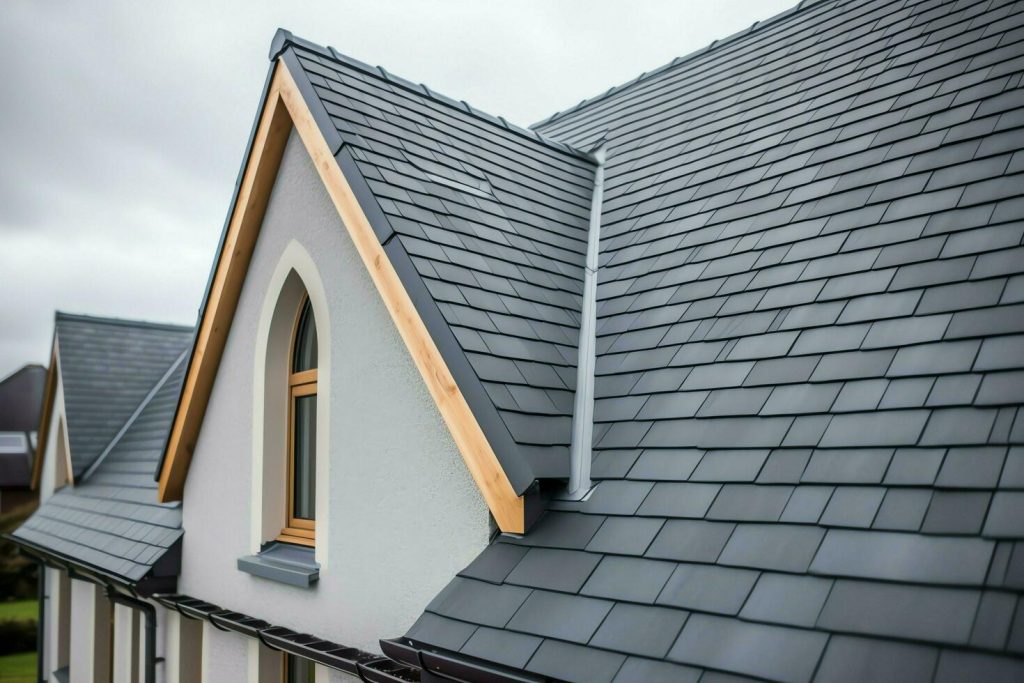
Signs Your Asphalt Shingles Roof Needs Repair or Replacement

Your roof serves as the primary defense against the elements, safeguarding your home from rain, wind, and sun. Asphalt shingles, a popular roofing material, are known for their durability and cost-effectiveness. However, like all materials, they have a finite lifespan and can succumb to wear and tear over time. Recognizing the signs that your asphalt shingle roof needs repair or replacement is crucial to prevent costly damage to your home. Go to this site to find out how to tell if your roof needs repair or replacement, and make the right choice for your home’s safety and value.

1. Curling or Buckling Shingles

One of the most evident signs of roof distress is curling or buckling shingles. Curling occurs when the edges of the shingles lift, while buckling refers to shingles that appear wavy or ripple across the roof. These deformations can result from poor attic ventilation, which traps heat and moisture, causing the shingles to warp. Once shingles curl or buckle, they lose their effectiveness in shedding water, increasing the risk of leaks and water damage.

2. Missing or Damaged Shingles

If you notice shingles missing from your roof or find them in your yard after a storm, it’s a clear indication that your roof is compromised. Damaged or missing shingles expose the underlying layers to the elements, leading to potential leaks and structural damage. Regularly inspecting your roof and replacing damaged shingles promptly can prevent further deterioration.

3. Granules in Gutters

Asphalt shingles are coated with granules that protect them from UV rays and add weight for wind resistance. Over time, these granules can loosen and accumulate in your gutters. Finding a significant amount of granules in your gutters is a sign that your shingles are deteriorating and may need replacement. While some granule loss is normal, excessive loss indicates that the shingles are no longer providing adequate protection.

4. Stains or Water Spots on Ceilings and Walls

Interior water stains or damp spots on your ceilings and walls often point to leaks in your roof. Even small, localized stains can be indicative of a larger issue. Water can travel along beams and rafters, making it difficult to pinpoint the exact source of the leak. If you observe such stains, it’s essential to have your roof inspected to identify and address the underlying problem.

5. Excessive Moss or Algae Growth

While moss and algae growth on your roof might seem harmless, they can cause significant damage over time. Moss retains moisture, which can lift shingles and allow water to seep beneath, leading to rot and leaks. Algae, on the other hand, can discolor shingles and, if left unchecked, may contribute to shingle degradation. If you notice extensive moss or algae growth, it’s advisable to consult a roofing professional.

6. Sagging Roof Deck

A sagging roof deck is a serious concern and often indicates structural issues. This sagging can result from prolonged water damage, rot, or weakened support beams. If you observe any dips or sagging areas on your roof, it’s crucial to have a professional assessment immediately. Ignoring this sign can lead to catastrophic roof failure.

7. Roof Age Exceeds Manufacturer’s Lifespan

Most asphalt shingle roofs have a lifespan of 20 to 30 years, depending on the quality of materials and installation. If your roof is approaching or has surpassed this age, it’s more susceptible to issues like curling, cracking, and granule loss. Even without visible damage, an aging roof may not perform optimally and could be at risk of failure.

8. Increased Energy Bills

An unexpected rise in energy bills can sometimes be attributed to roofing issues. Damaged or inefficient roofing allows heat to escape during winter and enter during summer, forcing your HVAC system to work harder. If your roof is compromised, it can lead to higher energy consumption and increased costs.

9. Blistering or Peeling Paint

Blistering or peeling paint on your home’s exterior can be a sign of excessive moisture, often due to roof leaks. When water infiltrates the roof and seeps into walls, it can cause paint to bubble or peel. If you notice such paint issues, it’s essential to inspect your roof for potential leaks.

10. Dark Streaks or Stains

Dark streaks or stains on your roof are typically caused by algae growth, particularly blue-green algae. While these stains don’t necessarily harm the shingles, they can affect the roof’s appearance. If the algae growth is extensive, it may indicate that the shingles are retaining moisture, which can lead to premature aging.

Regular roof maintenance and timely repairs are essential to prolonging the life of your asphalt shingle roof. By staying vigilant and addressing issues promptly, you can prevent minor problems from escalating into major, costly repairs. If you observe any of the signs mentioned above, it’s advisable to consult with a professional roofing contractor to assess the condition of your roof and determine the best course of action. Remember, a well-maintained roof not only protects your home but also adds to its value and curb appeal. If you’re in the Idaho area and need expert roofing services, consider reaching out to Evergreen Exteriors Idaho. They offer comprehensive roofing solutions, including inspections, repairs, and replacements, ensuring your home remains protected year-round.

Signs You Might Need a Hearing Exam in Wilmington NC

Hearing is one of our most vital senses, allowing us to connect with others, enjoy our surroundings, and stay safe in daily life. However, many people overlook changes in their hearing, often dismissing subtle signs that indicate a problem. If you live in Wilmington, NC, and have started noticing issues with your hearing, it might be time to schedule a hearing exam. Here are some common signs you might need a hearing exam in Wilmington NC—and why early detection matters.

  1. Frequently Asking People to Repeat Themselves

One of the earliest and most obvious signs of hearing loss is finding yourself asking friends, family members, or coworkers to repeat what they just said. Conversations might start to feel frustrating or tiring because you can’t catch every word. This isn’t just an annoyance—it’s a signal that your hearing might be deteriorating.

If you’re experiencing this, don’t brush it off. A professional hearing exam in Wilmington NC can help pinpoint the extent of your hearing loss and provide solutions to improve your communication and quality of life.

  1. Difficulty Understanding Conversations in Noisy Environments

Do you find it harder to follow conversations in crowded places like restaurants, family gatherings, or outdoor events? Background noise can make it especially challenging for people with hearing issues to distinguish speech. If you notice you’re struggling in these situations more than before, it could be a sign that your hearing needs to be checked.

A comprehensive hearing exam in Wilmington, NC will assess your ability to hear speech clearly even in noisy settings. An experienced audiologist in Wilmington will use specialized tests to determine if hearing aids or other treatments could help improve your communication and quality of life.

  1. Turning Up the Volume Too High

If you’ve caught yourself turning up the TV, radio, or smartphone volume louder than those around you, this could be another indication of hearing loss. While it’s tempting to just increase volume to compensate, this habit can cause further damage and affect those around you.

Getting a hearing exam in Wilmington NC can help determine the cause of this need for louder sound and suggest appropriate interventions to protect your hearing health.

  1. Ringing or Buzzing in the Ears (Tinnitus)

Tinnitus, the sensation of ringing, buzzing, or hissing in the ears, often accompanies hearing loss. While it’s not a direct measure of hearing ability, tinnitus can be an early warning sign that your auditory system is under strain.

If you’re experiencing persistent or frequent tinnitus, it’s wise to consult an audiologist for a hearing exam in Wilmington NC. They can evaluate your ear health and recommend treatment options to manage tinnitus and improve your hearing.

  1. Struggling to Hear High-Pitched Sounds

Many people with hearing loss notice difficulty hearing higher-pitched sounds such as children’s voices, birds chirping, or the ringing of a phone. This type of hearing loss typically affects the ability to detect speech consonants, which are critical for understanding language.

If this sounds familiar, a hearing exam in Wilmington NC can help determine if high-frequency hearing loss is present and suggest appropriate hearing aids or other assistive devices.

  1. Feeling Socially Isolated or Withdrawn

Hearing loss doesn’t just affect your ears—it can impact your mental and emotional well-being. When you have trouble hearing, you might start avoiding social situations, conversations, or events you used to enjoy. This social withdrawal can lead to feelings of loneliness and depression.

Recognizing this pattern is crucial. Scheduling a hearing exam in Wilmington NC could be the first step toward regaining your confidence and reconnecting with the people and activities you love.

  1. Family or Friends Mention Your Hearing Problems

Sometimes the people closest to us notice hearing changes before we do. If family members or friends have gently pointed out that you seem to miss parts of conversations or that you ask for repeats often, take their observations seriously.

These comments can be a helpful prompt to book a hearing exam in Wilmington NC, where experts can provide an accurate diagnosis and tailored solutions.

Why Get a Hearing Exam in Wilmington NC?

Living in Wilmington NC offers a vibrant community with plenty of social, cultural, and outdoor activities. Maintaining good hearing is essential to fully enjoy these experiences. A hearing exam provides valuable insights into your auditory health and helps detect any hearing loss early.

Hearing loss can develop gradually, so regular hearing check-ups are important—even if you don’t notice symptoms. Early detection leads to better treatment outcomes and helps prevent complications like social isolation and cognitive decline.

What to Expect During Your Hearing Exam in Wilmington NC

During a hearing exam, an audiologist will perform a series of tests to evaluate your hearing ability. These tests are painless and typically include:

Pure-tone audiometry: You listen to tones at different pitches and volumes to identify the softest sounds you can hear.

Speech testing: You repeat words or sentences to determine how well you understand speech.

Tympanometry: This checks the middle ear’s function and helps identify issues like fluid buildup or eardrum problems.

Otoacoustic emissions: This measures how well the inner ear responds to sounds.

After the exam, your audiologist will discuss the results and recommend treatment options if necessary. These might include hearing aids, assistive listening devices, or medical referrals.

Take Action Today

If you recognize any of the signs mentioned above, don’t wait to get your hearing checked. Wilmington NC has qualified hearing care professionals ready to help you maintain and improve your hearing health. Scheduling a hearing exam in Wilmington NC is a simple step that can make a big difference in your life.

Your hearing is too important to ignore. Book your hearing exam today and take the first step toward better hearing and a richer, more connected life.

Transforming First Impressions: The Art & Science of Home Exteriors

When it comes to making a lasting impression, nothing speaks louder than the exterior of your home. It’s the first thing guests, neighbors, and even prospective buyers notice. But more than aesthetics, a home’s exterior is its shield against the elements and a reflection of the people who live inside. In this blog post, we’ll explore the essentials of home exteriors—from style and materials to color choices and maintenance tips—helping you create a space that’s both beautiful and built to last. More help with roof repair services is available for fixing leaks, damaged shingles, and storm damage.

Curb Appeal: More Than Just a Pretty Face

“Curb appeal” is a term often used in real estate, but its importance extends beyond resale value. A well-designed exterior sets the tone for what lies within, enhancing your home’s character and contributing to a welcoming atmosphere. Whether you lean toward classic elegance, rustic charm, or sleek modern lines, your home’s exterior is your opportunity to make a personal statement.

Key elements that contribute to curb appeal include:

Architectural style

Exterior materials (siding, stone, brick, stucco)

Roofing

Windows and doors

Landscaping and lighting

A harmonious combination of these components can elevate a simple structure into something truly special.

Choosing the Right Materials

Material selection is a fundamental part of home exterior design. Each option comes with its own set of advantages, aesthetic characteristics, and maintenance needs.

Vinyl Siding: Affordable, low-maintenance, and available in a variety of colors. However, it may lack the depth and texture of more premium materials.

Fiber Cement: Combines durability with the look of wood. It’s resistant to fire, pests, and rot.

Brick and Stone: Classic and durable. Brick offers timeless charm while stone adds natural texture. Both require minimal upkeep and can last generations.

Stucco: Popular in warmer climates, stucco gives homes a smooth, Mediterranean look. It insulates well but can be prone to cracking in certain environments.

Wood: Provides warmth and natural beauty but demands regular maintenance to protect against weather and insects.

The right choice often depends on your region’s climate, your budget, and the architectural style of your home.

The Power of Color

Color has a transformative effect on home exteriors. While neutrals like white, beige, and gray remain popular for their versatility, bold hues are making a comeback. Deep navy, forest green, even charcoal black are being used to create drama and contrast.

When selecting a color palette, consider:

The natural surroundings (trees, hills, coastal views)

The neighborhood aesthetic

Roof color and hardscape (driveways, paths)

Architectural details (window trim, shutters)

Accents are equally important. A red front door, black window frames, or warm wooden garage doors can become focal points that draw the eye and add personality.

Architectural Styles: From Tradition to Trend

Different styles call for different exterior treatments. Here are a few popular architectural types and how their exteriors are typically designed:

Craftsman: Known for tapered columns, exposed beams, and earthy materials like wood and stone.

Modern Farmhouse: A mix of white siding, black trim, and clean lines, often with metal roofs and spacious porches.

Mid-Century Modern: Flat planes, large glass windows, and a blend of stone and wood.

Colonial: Symmetrical facades, shutters, and brick or clapboard siding.

Contemporary: Emphasizes minimalism, asymmetry, and bold contrasts in material and color.

Understanding your home’s style helps guide exterior decisions, ensuring consistency and visual appeal.

Outdoor Lighting & Landscaping

The best exteriors aren’t just beautiful during the day—they shine at night too. Thoughtful outdoor lighting highlights architectural features, adds safety, and creates ambiance. Use a mix of pathway lights, uplighting for trees, and sconces near doors.

Landscaping, meanwhile, frames the home. Choose native plants for ease of care, and consider how greenery can enhance or soften your home’s lines. Well-maintained lawns, trimmed hedges, and colorful flower beds bring life and vibrancy to any exterior.

Maintenance: Preserving Your Home’s Beauty

A stunning exterior is an investment worth protecting. Regular maintenance prevents minor issues from becoming costly repairs:

Clean gutters and downspouts seasonally.

Pressure-wash siding and walkways to remove dirt and mildew.

Touch up peeling paint and caulk gaps in siding or trim.

Inspect the roof annually for loose shingles or leaks.

Trim trees and shrubs away from the house to prevent damage.

Setting a seasonal schedule for upkeep ensures your home always looks its best.

Your home’s exterior is more than just a shell—it’s a canvas that showcases your taste, protects your family, and welcomes you home every day. With the right blend of materials, colors, and care, you can create a façade that’s not only visually stunning but also enduring and efficient.